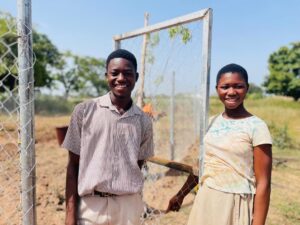
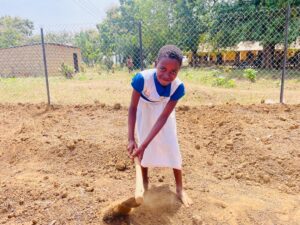
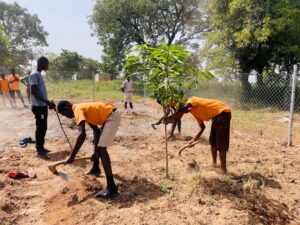
Nandom Manager Kanyiri Kuube-isaan is inspired by our new project, launching gardens in eight schools …
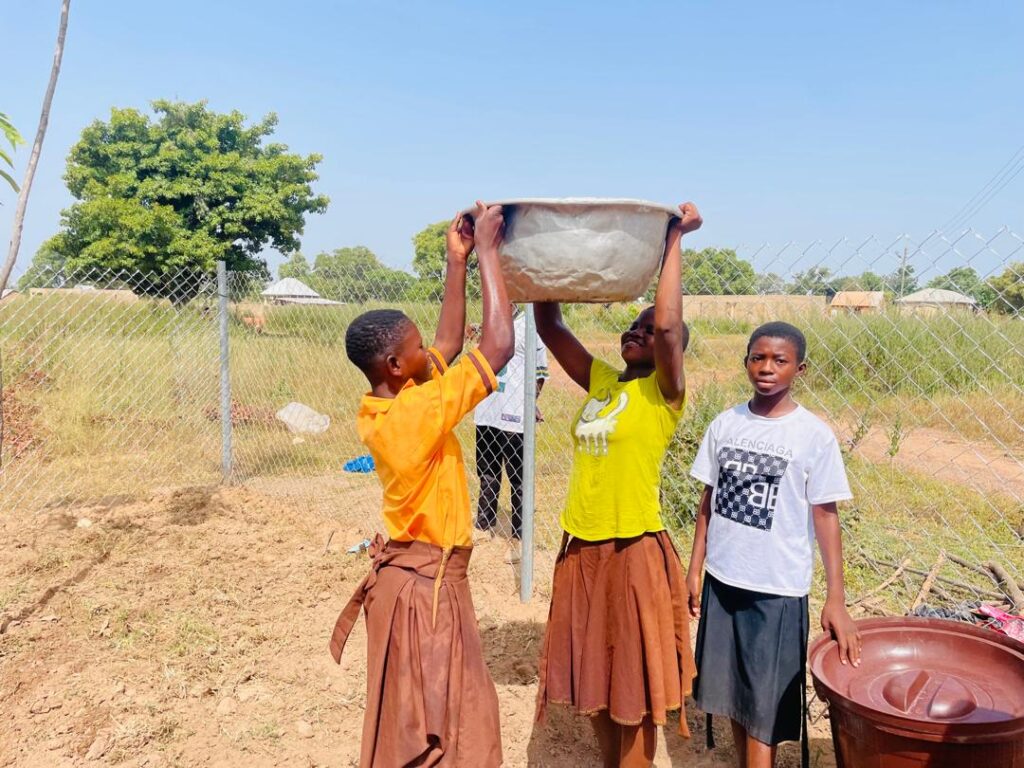
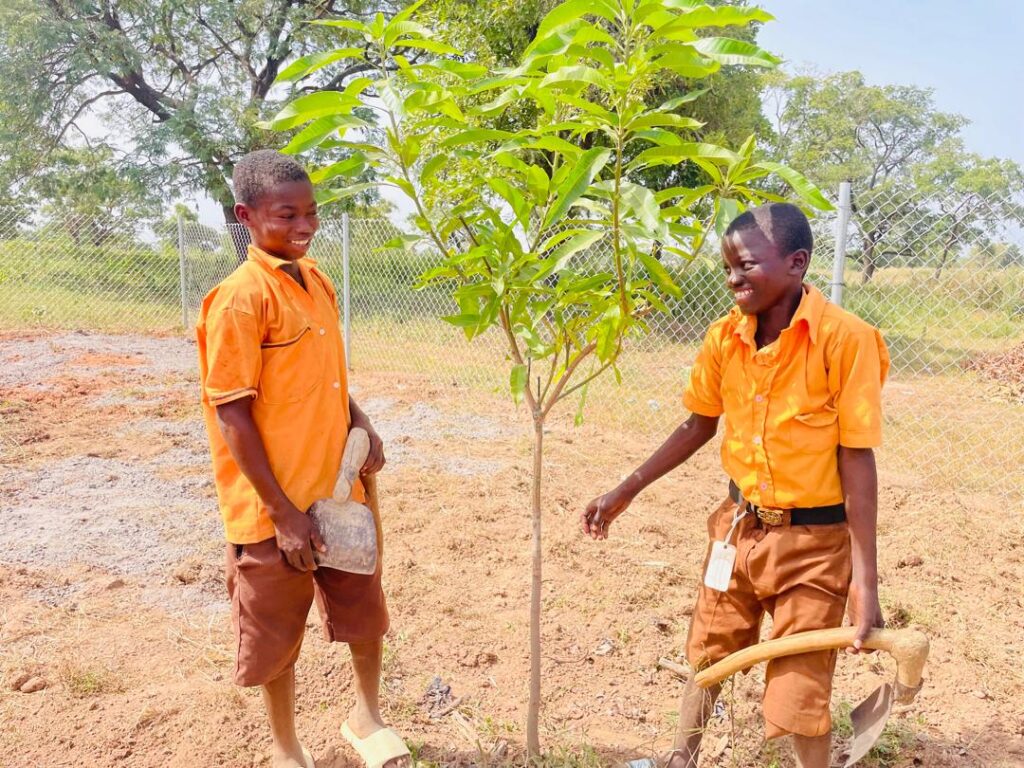
I am excited to see our School Gardens Project come to life in our partner schools across Lawra and Nandom. For me, this initiative represents much more than growing vegetables. It is an opportunity to connect education, nutrition and environmental sustainability – benefitting children and their communities for years to come.
The project is still in its early stages, with most schools having recently completed fencing and preparing their garden spaces. ATE has provided fencing materials, farming equipment, training in sustainable farming practices and other support to help the schools establish their gardens. Although the vegetables are yet to grow, it is encouraging to see the foundations being laid for something with so much potential.
What excites me most is that the gardens will become living classrooms. Beyond growing vegetables, the schools have also committed to planting fruit-bearing plants and practising sustainable farming methods such as mixed cropping, mulching and composting. These practices will give students practical opportunities to understand how we can grow food while protecting and improving the environment. Through composting, for example, students can learn how to turn organic waste into valuable nutrients for the soil, helping to build soil fertility and retain moisture during the dry season.
“The school garden will provide nutritious vegetables to supplement our meals, helping us maintain a balanced diet, improve our health and support our learning.” Abigail, student, Basebele Junior High School
“I’m excited to see this initiative in my school. The garden will serve as a practical learning tool for Agriculture and Science lessons, giving us the opportunity to learn about sustainable farming practices.” Douglas, student, Tuopare Junior High School
“The school garden will be a practical demonstration site where students can learn agricultural practices such as composting and apply their knowledge to establish gardens in their own homes.” David, Teacher, Tuopare Junior High Sschool
The benefits could extend beyond the classroom. Fresh vegetables from the gardens can supplement school meals, improve dietary diversity and support children’s health and learning. Teachers are enthusiastic about using the gardens to bring Agriculture and Science lessons to life and equip students with skills they can apply in their own homes and communities.
Looking ahead, my hope is that these gardens will become sustainable learning spaces that will continue to benefit the schools for a long period of time. I would love to see students applying what they learn at school in their own homes, families adopting sustainable gardening practices, and communities becoming more confident in producing nutritious food while caring for the environment.